Dieticians Are Angels on Earth T-shirt Review
First Glance and Design Personality
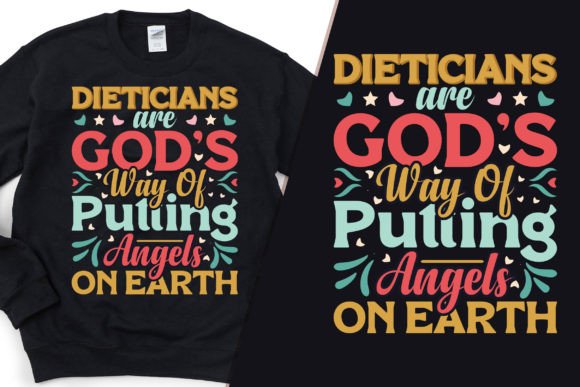
I opened the file for Dieticians Are Angels on Earth T-shirt expecting something sentimental, and it delivered exactly that. The design carries a warm, heartfelt tone that immediately feels personal. There is a gentleness to the layout that makes it read more like a handwritten tribute than a commercial graphic. The phrase itself does the heavy lifting. It is direct, affectionate, and the kind of statement that makes someone stop scrolling. When I evaluate a design like this for embroidery, I am not just looking at how pretty it sits on a screen. I am thinking about thread, fabric texture, hoop limitations, and customer reaction. This one sparks an emotional response before a single stitch lands.
The mood is soft appreciation. You can picture it on a gift meant for a nutrition professional, a hospital dietitian, a wellness coach, or someone working in clinical care. The theme is narrow enough to feel niche but broad enough to find an audience across Etsy, craft fairs, or small-shop product lines. The visual personality reminds me of a thoughtful greeting card translated into wearable form. From a designer perspective, the category T-Shirt Designs and the Graphics type tell me the original intent was direct-to-garment or screen printing. But I am here to ask the harder question. How does this translate into machine embroidery design work for real handmade products?
Finding the Right Canvas for This Design
Not every design belongs on every product. I learned that lesson early in my craft business journey when I stitched a beautiful paper-thin design onto a heavyweight canvas tote and watched the fabric swallow half the detail. With Dieticians Are Angels on Earth T-shirt, I mentally ran through my usual product list. This one calls for surfaces that feel personal, intimate, and giftable. I would not slap it on a neon hoodie and call it a day. It wants to live somewhere cozy.
My mind went straight to a custom embroidered apron. Picture a soft linen or cotton apron in cream or pale oat. The design stitched across the chest in a muted navy or dusty rose thread. That is a graduation gift for a dietetics student, a holiday present for a working dietitian, or a boutique item for a wellness-themed shop. The message lands differently when it is stitched rather than printed. Thread adds texture, permanence, and a certain handmade sincerity that ink cannot replicate.
Other natural homes for this design include tote bag design projects, kitchen towels, pillow covers, and even a framed hoop art piece for nursery decor or office wall art. A small version could work on a pocket patch or an embroidered zipper pouch. I would lean toward products where the recipient can see the stitching, touch it, and feel the care embedded in the finished product.
The Apron Test
Let me walk you through a real scenario. I had a client inquiry last month for a custom dietitian appreciation gift. She wanted something personal, not mass-produced. I pulled up several digital embroidery file candidates, and a design like Dieticians Are Angels on Earth T-shirt would have been a strong contender. The phrase hits the right note for a mentor, colleague, or beloved professional. My immediate thought process went like this. First, check the lettering size. If the text is too fine, it will disappear into fill stitch chaos or demand impossibly small running stitch details. Second, assess whether the overall shape fits a standard hoop size without forcing me to split the design across multiple hoopings, which I avoid on aprons whenever possible.
I always test on scrap fabric first. For an apron project, medium-weight cotton twill behaves differently than quilting cotton. I would choose a cutaway stabilizer for durability, especially since aprons get washed frequently. Thread colors matter enormously here. A design with sentimental wording needs enough contrast to stay legible but not so much that it looks harsh. I would test a tonal approach on light fabric and a bolder thread on darker backgrounds. Before committing to a finished product, I would run the design in a black-and-white mockup to confirm the shapes hold without color cues.
Where the Design Truly Shines
After spending time analyzing this layout, I see several high-value use cases for makers and Etsy seller shops. The first and most obvious is custom apparel. A soft unisex sweatshirt with this design stitched small on the left chest or centered across the front reads as understated and meaningful. Sweatshirt embroidery has been trending steadily, and designs with heartfelt professional appreciation fill a gap that generic quotes do not reach. I would pair this with a muted palette, heather gray, dusty blue, cream, or sage green, to keep the mood cohesive.
Giftability is another strong suit. Personalized gift buyers on Etsy search for specific professions. A design that names dietitians directly eliminates guesswork. When I add a name or a short date beneath the main design, the perceived value jumps considerably. This works for retirement gifts, graduation, National Dietitian Day, or simply a surprise thank-you. In my own shop, designs with clear professional targeting tend to perform better than vague inspirational phrases because the customer knows exactly who it is for.
There is also a solid opening for holiday embroidery products. A Christmas kitchen towel set featuring this design, paired with a simple food-related motif, becomes a niche gift for the dietitian who already owns every mug and candle. The same logic applies to Mother's Day, where a child might gift an embroidered tote to a mother working in clinical nutrition. The narrow appeal is precisely what makes it commercially interesting for small-batch handmade shops.
Tricky Situations and Honest Cautions
No design is universally easy, and I would be doing fellow makers a disservice if I glossed over the potential challenges. The first red flag I always check with text-heavy graphics is stitch density. Lettering that looks crisp on a screen can turn into a tangled mess if the density is too high for the fabric or if the satin stitch paths overlap in tight corners. I cannot speak to the exact density of this specific embroidery file without testing it, but I would urge every embroiderer to run a sample before listing the product. Check how the loops in letters like lowercase e and a close. If they fill in, adjust the design scale or switch to a lighter-weight thread.
Small hoop sizes present another hurdle. If the design is optimized for a larger hoop and you try to shrink it too aggressively, the lettering becomes illegible. I learned this the hard way on a baby embroidery project where I tried to fit a full phrase onto a tiny bib. The result looked like a smudge. For this design, I would keep it at a size where every word breathes. If you are working with a small hoop, consider splitting the design creatively or using only a portion of the text as an accent on collars, cuffs, or pocket corners.
Fabric texture can sabotage even well-digitized designs. Stretchy fabrics, terry cloth, loose knits, and heavily textured wovens make lettering wobble and lose definition. I avoid stitching intricate text onto anything with pile unless I am prepared to use a heavy topper and accept some irregularity. Dark fabrics also demand attention. White or light thread on black cotton creates high contrast, but every tiny misalignment shows. I always test on a dark swatch before committing to a final garment. Curved surfaces like caps and hats add another layer of complexity. A flat design with sweeping text may not wrap cleanly around a structured cap crown. I would test placement carefully if caps are part of your product line.
The Commercial Side — Selling with Confidence
For makers who sell finished items, Dieticians Are Angels on Earth T-shirt offers clear branding potential. A cohesive product collection built around professional appreciation can anchor a small shop identity. I have seen crafters build entire seasonal lines around teacher gifts, nurse gifts, and dietitian gifts. The key is presentation. When I photograph a finished embroidered item for a listing, I pay obsessive attention to how the stitching catches the light. A printable mockup helps, but nothing beats a real stitched sample photographed on a clean, wrinkle-free surface with good natural lighting. Buyers want to see the texture, the thread sheen, and the scale against a familiar object.
Before listing any product that uses this design, confirm the licensing terms. As the product description states, it comes from a T-Shirt Designs collection under Graphics. Check whether the license permits use on physical finished products for resale. This is not something to guess at. If the usage rights are limited to personal projects, respect that boundary. If commercial use is allowed, document the terms clearly in your records. Selling digital embroidery file versions or reselling the design itself is almost always restricted, so keep your shop squarely focused on handmade product sales rather than file redistribution.
I also recommend testing the design on multiple product types before committing to a full inventory. What looks beautiful on a flat tea towel might feel awkward on a structured tote bag. Run a few variations, photograph each one, and poll a small audience if possible. Sometimes the product that sells best surprises you. I once listed a dietitian-themed design expecting totes to lead, and the embroidered kitchen towel set outsold everything five to one. Buyer behavior is a teacher worth listening to.
Final Verdict for Makers and Shop Owners
After evaluating Dieticians Are Angels on Earth T-shirt through the lens of real embroidery use, I see a design with strong emotional appeal and clear niche marketability. It is not a universal crowd-pleaser, and that is exactly its strength. The narrow focus locks onto a specific buyer with intent. For craft business owners building a brand around meaningful professional gifts, this design earns its place in the product lineup. It stitches with purpose, it gifts with sincerity, and it sells with clarity.
If you are stitching this onto an apron for a boutique order, a sweatshirt for a holiday drop, or a patch for a local market, treat the design with the same care the message communicates. Test it. Adjust the stabilizer. Check the hoop size. Inspect the lettering under magnification. The difference between a good embroidery project and a great one lives in those small, deliberate choices. This design has the heart. The craftsmanship is up to you.