Everything Will Be Ok T-Shirt Design Review
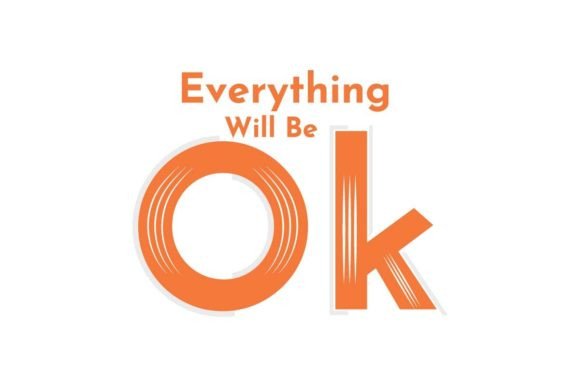
There is a certain kind of design that stops me mid-scroll. Not because it shouts the loudest or pulls every visual trick in the book, but because it feels like it was made for a real moment. The Everything Will Be Ok T Shirts Design does exactly that. It lands somewhere between a quiet reassurance and a gentle reminder, the kind of message people actually want to wear, carry, or gift. As someone who has spent years testing embroidery designs on everything from delicate onesies to heavy canvas tote bags, I tend to look past the surface appeal and ask the harder questions. Will this stitch cleanly? Will the lettering hold up on a textured fabric? Does it have that elusive quality where the finished product feels worth more than the sum of its stitches? This design has me leaning in, and here is what I am thinking through before I load it onto my machine.
The mood this design actually creates
Some embroidery designs lean on trend. Others lean on sentiment. This one leans on both, but in a way that feels more timeless than transactional. The phrase itself is universally readable without being generic. It carries a soft optimism that works for baby gifts, mental health awareness products, everyday apparel, and even boutique packaging accents. I can already picture it stitched onto a faded denim jacket back panel or centered on a cozy french terry sweatshirt. The visual personality suggests simplicity first, which for machine embroidery is almost always a strength. Overly intricate designs can crumble on textured surfaces or lose their charm when scaled down for a cap or a baby bib. Here, the restraint feels intentional and practical.
Where this design would genuinely belong
When I evaluate a design like Everything Will Be Ok T Shirts Design, I mentally run it through a list of real products I have made or seen sell well at craft fairs and on Etsy. This one slots into several categories without needing much adjustment:
- Tote bags: A natural fit. The flat weave of a cotton tote gives clean stitch registration, and the message reads well on a grocery run or a bookstore trip.
- Sweatshirts and hoodies: The soft structure of fleece can hide slight stitching imperfections, but a well-digitized version of this design would still hold crisp edges if the stabilizer is right.
- Baby onesies and toddler tees: The phrase carries a comforting tone for new parents, and the minimal layout keeps the garment soft and wearable.
- Kitchen towels and aprons: Surprisingly, designs with hopeful messages move well in home goods. A linen tea towel with this stitched in a muted thread color feels like a small but meaningful gift.
- Pillow covers and nursery decor: A single hoop framing this phrase on a linen pillow cover turns it into a thoughtful handmade accent piece.
- Embroidered patches: If the design separates cleanly, it could be stitched onto felt or twill backing and sold as a standalone patch for jackets and backpacks.
What ties all of these together is that the design does not demand to be the hero of the product. It works because it complements the item rather than overwhelming it.
Stitching reality versus digital previews
Here is where experience matters. A design that looks flawless on a screen can turn into a puckered mess the moment the needle hits a stretchy cotton jersey. The Everything Will Be Ok T Shirts Design relies heavily on typography, which means stitch direction, density, and underlay become critical. I would immediately test this on a scrap of the actual fabric I plan to use, not just on plain quilting cotton. Lettering with thin strokes or tight loops can close up if the stitch density runs too high, and on the flip side, lettering that is too sparse looks unfinished and cheap.
Before committing to a full production run or a client order, I always run a test stitch in two contrasting thread colors: one matching the fabric closely, and one in high contrast. This reveals whether the design holds its own shape or leans too much on color contrast to stay readable. A truly strong embroidery file reads well even in tone-on-tone stitching, and that is exactly the standard I would hold this design to.
Fabric choices that could make or break the result
Not every design is built for every fabric, and pretending otherwise costs money and time. Based on the typographic nature of this design, here is where I would tread carefully:
- Thin or sheer fabrics: Lightweight jerseys and tissue-weight cottons can ripple under dense lettering. A heavy cutaway stabilizer helps, but the hand feel changes and that may not suit a drapey garment.
- Stretchy ribbed knits: Think baby onesies and fitted tees. The design will need excellent underlay and possibly a topper to prevent the stitches from sinking into the rib texture.
- Dark fabrics: White or light thread on dark fabric exposes every stitch irregularity. If the digitizing has gaps or uneven density, it will show immediately.
- Curved surfaces like caps: Typography-heavy designs can warp on the curved front panel of a baseball cap unless the design file is specifically adjusted for cap hooping. I would test this on a structured cap before offering it as a product option.
- Toweling and high-pile fabrics: Terry cloth and fleece with a deep pile can swallow small letter details. A water-soluble topper becomes non-negotiable here.
Knowing the limitations upfront does not make a design weak. It makes the finished product stronger because you match the design to the right surface from the start.
The handmade product factor and how customers see it
I think about the end customer constantly. Someone buying a handmade sweatshirt with Everything Will Be Ok T Shirts Design stitched across the chest is not just buying fabric and thread. They are buying a feeling, a moment of recognition, and something that feels personal without being overly sentimental. The phrasing straddles a line that makes it suitable for a sympathy gift, a self-care purchase, a new mom present, or even just a quiet wardrobe staple for someone who prefers gentle statements over loud graphics.
From a seller perspective, this design offers something I call quiet versatility. It does not box you into a niche. You can list it under mental health gifts, minimalist embroidery, inspirational apparel, or everyday basics, and it reads authentically in every category. That kind of range matters when you are trying to keep a shop cohesive without duplicating products across listings.
Practical embroidery studio notes
Before I stitch this onto anything destined for a customer or a gift recipient, here is the mental checklist I run through every single time. It applies just as much to the Everything Will Be Ok T Shirts Design as it does to any typography-based embroidery file:
- Stabilizer selection: For most apparel, a medium-weight cutaway stabilizer gives the best balance of support and softness. For tote bags and home textiles, I might use a tear-away with a fusible backing for easier hooping.
- Thread color contrast: Test the design on both a light and a dark fabric swatch. The same thread color reads dramatically differently depending on the background.
- Hoop size confirmation: Check the design dimensions against your available hoops before purchasing. A design that exceeds your largest hoop limits your product options before you even start.
- Small detail inspection: Zoom in on the letter connectors, serifs, and any decorative flourishes. Thin connections break easily in the wash if they are not properly digitized.
- Wash testing: Stitch the design onto a fabric scrap, toss it through a full wash and dry cycle, and check for thread breaks, puckering, or fading. Customers do this eventually, so you should do it first.
- Mockup accuracy: Use the included PNG file to create listing photos, but also photograph an actual stitched sample. Buyers trust real product images far more than digital mockups alone.
The digital file package and what actually matters
This product comes as a digital download with SVG, AI, PDF, and PNG files included. For embroidery specifically, the file formats you actually work with will depend on your machine and your digitizing workflow. The SVG and AI files are vector formats, which means they can serve as clean artwork for digitizing from scratch or for creating matching screen-printed accents. The PNG gives you a ready-to-use image for mockups and listing previews, which is genuinely helpful for sellers who want to preview designs on product photos before committing to a full stitch-out.
What is not included here, and what I always recommend checking before purchase, is the specific embroidery machine file format. If your machine requires PES, DST, EXP, JEF, or any other proprietary stitch file, confirm whether this design is provided in that format or if you need to convert or digitize it separately. The same goes for exact stitch count, recommended hoop size, and thread color sequences. Those technical details matter enormously once you move from browsing to actually embroidering. If they are not listed, reach out to the seller before buying. A responsive seller who answers technical questions clearly is worth their weight in gold thread.
Commercial use and selling finished products
This is one area where I never assume anything. The digital files included suggest this design is intended for creators who want to incorporate it into their own projects, but the exact license terms for selling finished physical products need to be verified. Some designers allow full commercial use on finished items with no limits. Others restrict the quantity, require attribution, or prohibit use on certain marketplaces. Before listing a run of embroidered sweatshirts or tote bags featuring this design on Etsy or at a craft fair, confirm the commercial license covers your intended use. It protects your business, respects the designer, and avoids the kind of disputes that can derail a small shop overnight.
Does it earn its place in a craft business lineup
After turning this design over from every angle that matters to a working embroiderer, I would say yes, with the usual caveats about testing and licensing. The Everything Will Be Ok T Shirts Design brings a calm, adaptable presence that suits everything from boutique baby gifts to everyday apparel staples. It does not rely on complex fills or fragile details to make its point, which makes it a forgiving choice for production work. It leaves room for the maker to add their own touch through thread color selection, fabric pairing, and product choice, while still delivering a finished look that feels intentional and complete.
For embroidery designers, craft businesses, small shop owners, and makers building a product line around meaningful minimalism, this design earns a spot in the testing queue. Just bring your stabilizer, your best thread, and a willingness to stitch it first on something that does not matter. That test piece will tell you everything the digital preview cannot.