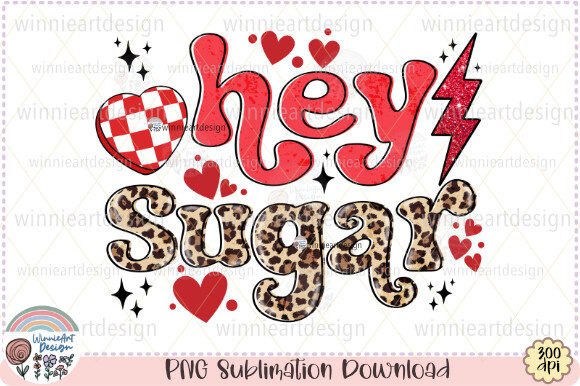
Hey Sugar Retro Valentines Day Hearts: A Designer's Review
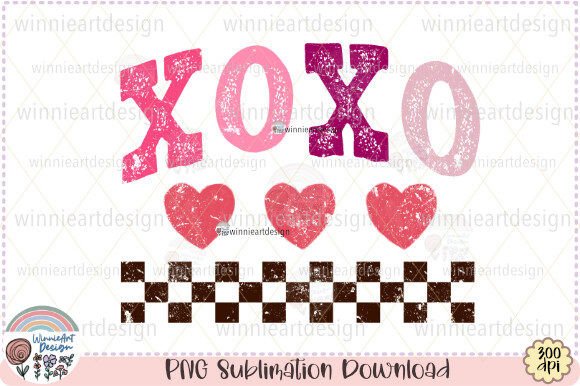
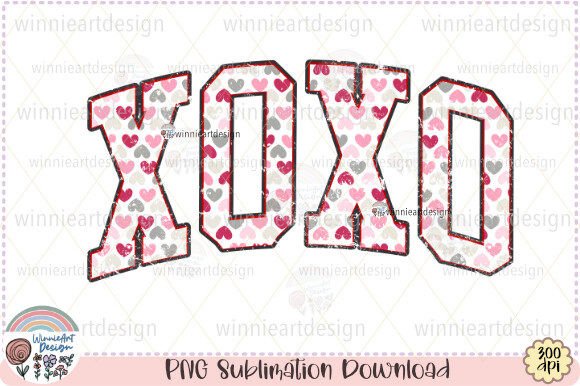
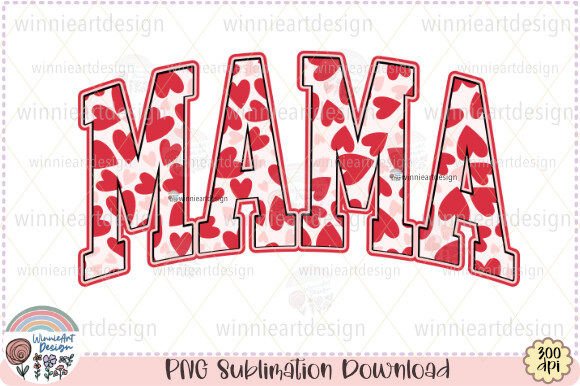
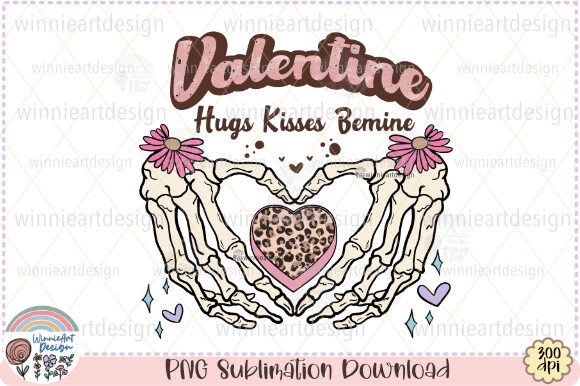
There is something disarmingly sweet about a design that knows exactly what it wants to be. When I first opened the Hey Sugar Retro Valentines Day Hearts file, I was not expecting anything revolutionary. I have seen hundreds of heart-themed graphics over the years. Most of them blur together. This one did not. It has a particular warmth and nostalgic pull that immediately made me think of vintage candy boxes, handwritten valentines from the 1970s, and the kind of graphic style that feels both playful and genuinely affectionate. The mood is not cutesy in an overdone way. It is retro in the best sense—bold shapes, confident curves, and a layout that breathes.
The file itself is a high-resolution PNG, 4500 by 3500 pixels at 300 dpi. That gives plenty of digital real estate for resizing and mockup work. It is not an SVG, which matters for anyone expecting vector scalability. For embroidery designers, this means you are working with a raster image that you will need to digitize yourself or send to a digitizer. That is a standard workflow, not a drawback. But it does mean you must pay attention to how the design translates from pixel to stitch.
A Design That Feels Like a Memory
The visual personality of Hey Sugar Retro Valentines Day Hearts leans into a slightly imperfect, hand-drawn aesthetic. The lettering feels friendly. The hearts are not geometrically stiff. There is a rhythm to the layout that gives you room to breathe between the elements. That kind of spacing is a gift when you start thinking about stitch density and fabric behavior. Overly crowded designs can turn into a muddy mess once thread hits fabric. This one has natural breathing room, which tells me the original artist understood composition.
When I look at this design, I immediately picture it on a canvas tote bag carried to a weekend market, or on a soft cream sweatshirt worn by someone who loves subtle nostalgia. It would also work beautifully on a kitchen towel paired with other retro accents, or as the centerpiece of a child's Valentine's Day outfit. The shape language is forgiving. There are no razor-thin lines that would disappear under thread tension, no tiny floating details that would require impossibly small stitches. That alone makes it a practical candidate for real embroidery work.
Thinking Through a Real Embroidery Project
Let me walk you through a scenario I kept replaying in my mind while studying this graphic. Imagine a small shop owner preparing a limited Valentine's collection. She wants something that feels handmade but looks polished enough to sell at a boutique price point. She pulls Hey Sugar Retro Valentines Day Hearts into her digitizing software and starts mapping out stitch types. The larger hearts take a nice satin stitch border with a light fill stitch interior. The lettering, depending on size, could run as a smooth satin column or a细致的 running stitch for a more subtle look. The retro curves hold up well under stitch simulation. Nothing collapses or becomes illegible.
She decides to stitch it onto a natural linen pillow cover. The fabric has a slight texture, but the design's bold shapes maintain clarity. She picks a deep cherry red for the main hearts, a muted pink for the accent hearts, and an off-white for the text so it pops against the unbleached linen background. The result feels intentional, not like a rushed holiday novelty item. That is the difference between a design that works with embroidery and one that only looks good on a screen. This one translates.
Where the Design Shows Its Strengths
After spending considerable time with the file on my monitor and running mental stitch tests based on years of hands-on embroidery work, I can say the strongest fit for Hey Sugar Retro Valentines Day Hearts is on medium-weight woven fabrics with a smooth or lightly textured surface. Canvas totes, denim jackets, cotton aprons, pillow covers, and flat-front sweatshirts all come to mind. The design's relaxed spacing means you can stitch it at a reasonable size—somewhere in the four-to-seven-inch range feels natural for a chest placement or a tote bag center.
The retro theme also opens up interesting product possibilities beyond apparel. I could see this on a fabric-covered journal, a zipper pouch for a tween gift, or even a simple patch sewn onto a jean jacket. The design's personality is strong enough to carry a product on its own, but it also plays well with coordinating designs if you are building a Valentine's collection. For Etsy sellers and craft business owners, that versatility matters. You are not locked into one type of finished product.
Being Honest About Limitations
No design is perfect for every situation, and I want to be straightforward about where Hey Sugar Retro Valentines Day Hearts might need extra attention or a different approach. Small hoop sizes are the first thing to consider. If you try to cram this design into a 4x4 inch hoop, you will lose the breathing room I praised earlier. The text could become too small to stitch cleanly. I would not go below five inches on the longest side unless you are comfortable simplifying or removing some details during digitizing.
Stretchy fabrics like thin t-shirts or performance wear introduce a different challenge. The design has curves and lettering that could distort if the fabric shifts during stitching. A good cutaway stabilizer and maybe some temporary adhesive spray will be your best friends here. But even with proper stabilization, I would lean toward structured garments rather than flimsy knits for this particular graphic. The retro feel pairs better with substantial fabric anyway.
Dark fabrics are another consideration. The hearts themselves are bold enough to stand out on dark grounds, but any lighter-colored text areas need careful thread color selection. If the original graphic has soft pink tones against white, those light areas might vanish on a black sweatshirt unless you adjust your thread palette. I recommend testing a stitched sample on your intended fabric color before committing to a production run. That advice applies to every design, honestly, but it is especially relevant here if you are planning commercial embroidery work where consistency matters.
Curved Surfaces and Detailed Corners
Caps and hats present their own curveball. The design's horizontal flow and rounded shapes are not inherently difficult, but the curved surface of a baseball cap can warp lettering if the digitizer does not account for the arc. A skilled digitizer can adjust for that, but it is something to discuss upfront if you plan to offer embroidered caps. Patches, on the other hand, are a fantastic use case. You can stitch this design on a flat piece of twill or felt with a merrowed edge, and the retro hearts become a collectible item that customers will want to sew onto everything.
How the Design Affects Product Value and Customer Trust
One thing I have learned from years of selling handmade goods is that customers can sense when a design was chosen with care versus grabbed from a generic bundle. Hey Sugar Retro Valentines Day Hearts has a distinct visual fingerprint. It does not look like every other heart design flooding the marketplace in January. That uniqueness translates directly into perceived value. When a customer sees this on your tote bag design or sweatshirt embroidery, they recognize that you curated something special. That builds trust, encourages repeat purchases, and gives your brand a recognizable aesthetic.
For baby embroidery and children's products, the design strikes a nice balance between playful and refined. It is sweet without being saccharine. Parents appreciate that. A Valentine's onesie with this graphic feels thoughtful rather than loud. For holiday gifting, the nostalgic tone resonates across generations. A grandmother buying for her granddaughter, a husband picking out something for his wife, a friend celebrating Galentine's Day—the design appeals broadly without trying too hard.
Practical Notes for Digitizing and Stitching
Before you load this design into your embroidery workflow, here are the steps I would take based on the file information provided. The PNG file at 300 dpi gives you a clean foundation for digitizing. Open it in your preferred digitizing software and examine the edges at high zoom. The resolution is sufficient for tracing smooth curves and mapping stitch angles. Since there are no SVG files included, manual tracing or auto-tracing with refinement will be necessary. That is entirely manageable. Most embroidery designers I know prefer this approach because it gives them full control over stitch types and density.
I recommend testing your digitized version on scrap fabric that matches your intended final product. Cotton twill is a good neutral starting point. Check how the satin stitch borders sit against the fill areas. Look for gaps, puckering, or thread breaks. Review the lettering at actual size on stitched fabric, not just on screen. What looks readable digitally can become a blur of thread if the stitch direction or density is off. The design's retro character depends on those letters being legible, so spend extra time on that.
Thread color testing should happen under different lighting conditions. The vintage feel of Hey Sugar Retro Valentines Day Hearts benefits from slightly muted pinks, cherry reds with a warm undertone, and cream rather than stark white. Avoid overly bright or neon threads unless you are intentionally modernizing the palette. If you plan to offer multiple colorways, test each one on both light and dark fabric backgrounds. A palette that sings on oatmeal linen might fall flat on charcoal canvas, and vice versa.
Licensing and Commercial Use
A note on licensing because it comes up constantly in our line of work. The product description states this is a digital file for sublimation, provided as a PNG. Before you stitch this design onto products you intend to sell, confirm the usage rights with the original seller. Most digital design purchases include some form of commercial allowance for physical finished products, but you must verify. Do not assume. If you plan to sell the digitized embroidery file itself, that is a separate conversation and often requires an extended license. Protect your business by reading the fine print.
Is This Design Worth Your Project Time?
After all the analysis, the question is whether Hey Sugar Retro Valentines Day Hearts earns its place in your embroidery library. For me, the answer leans strongly toward yes, provided the project fits its personality. The design brings a genuine retro warmth that is hard to find without venturing into overly complex vintage reproductions. It digitizes well, stitches cleanly on appropriate fabrics, and offers enough versatility to span multiple product types. The limitations are manageable with basic embroidery knowledge and proper prep work.
If you are an Etsy seller, a craft fair vendor, or a small shop product creator looking for a Valentine's design that feels intentional rather than mass-produced, this file deserves a close look. Test it, experiment with thread palettes, and see how it behaves on your chosen substrate. I suspect you will find, as I did, that it carries a quiet charm that resonates with buyers who appreciate the intersection of nostalgia and craftsmanship. In a market saturated with forgettable hearts, Hey Sugar Retro Valentines Day Hearts actually says something worth stitching.